

Introduction: plywood vs particleboard-Why This Comparison Is Often Misleading
Plywood is frequently marketed as a premium cabinet upgrade, while particleboard is often treated as a red flag. This framing leads many homeowners to assume that material choice alone determines cabinet quality. In reality, cabinets fail—or succeed—because of construction details, not just material labels. Understanding the real differences between plywood vs particleboard cabinets helps homeowners avoid paying more for less.
Why Cabinet Box Materials Matter
Cabinet box materials influence structural strength, fastener holding, moisture behavior, and long-term alignment. However, these factors interact with thickness, joinery, finish quality, and installation.
Material choice matters most when:
- Cabinets support heavy loads
- Boxes span wide openings
- Moisture exposure risk exists
- Construction quality is marginal
Material alone does not predict durability.
Plywood vs Particleboard: Side-by-Side Comparison
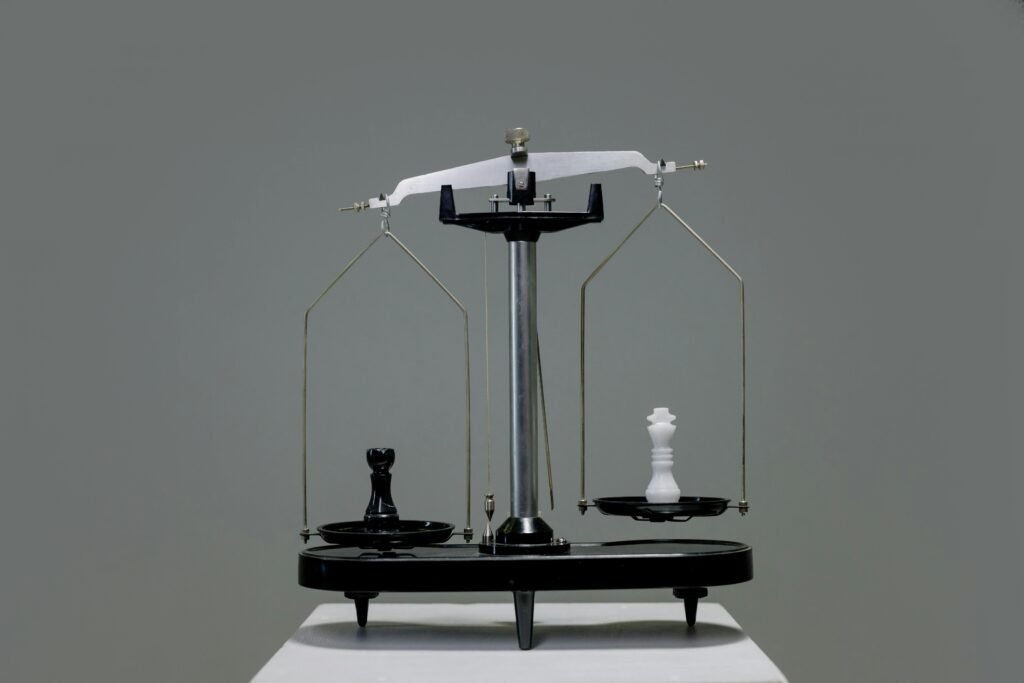
| Attribute | Plywood Cabinets | Particleboard Cabinets |
|---|---|---|
| Composition | Layered wood veneers | Compressed wood particles |
| Weight | Lighter | Heavier |
| Edge strength | Strong | Strong when properly sealed |
| Moisture tolerance | More forgiving | Vulnerable if exposed |
| Cost impact | Higher | Lower |
| Manufacturing consistency | Can vary | Highly consistent |
Both materials can meet performance expectations when properly engineered.
What Professionals Evaluate Beyond Material Type
Professionals do not evaluate cabinet quality based on plywood versus particleboard alone.
They examine:
- Panel thickness: thin plywood can underperform thicker particleboard
- Joinery method: doweled or dadoed joints outperform staple-only assembly
- Back panel design: full backs increase rigidity
- Fastener strategy: load distribution matters more than material name
- Finish protection: sealed interiors reduce moisture risk
A well-built particleboard cabinet can outperform a poorly constructed plywood cabinet.
Moisture Resistance: What Actually Fails
Moisture damage is often cited as a reason to avoid particleboard. While particleboard swells when water penetrates unsealed edges, most cabinet damage comes from plumbing leaks—not ambient humidity.
Key considerations:
- Proper edge sealing greatly improves particleboard performance but no one does this
- Plywood can delaminate if finish protection is inadequate
- Finish quality matters more than base material
- In my experience, most of the serious damage has come from floods and major leaks which has resulted in the need for replacement
Moisture risk should be managed through construction and installation—not material choice alone.
Cost Differences and When They Are Justified

Plywood cabinets typically carry a price premium. Whether that premium is justified depends on application and construction quality.
Plywood may be appropriate when:
- Wall cabinets carry heavy loads
- Tall cabinets exceed standard heights
- Moisture exposure risk is elevated
Particleboard may be appropriate when:
- Panels are thick and well-sealed
- Joinery is reinforced which usually requires tons of glue
- Budget constraints are significant especially in the cases of rental properties
Industry performance standards referenced by organizations such as the Kitchen Cabinet Manufacturers Association emphasize durability benchmarks rather than material preference.
How CabinetCheck Evaluates Cabinet Materials
CabinetCheck evaluates cabinet materials through the CabinetCheck Score™ by focusing on:
- Thickness and rigidity
- Joinery and fastener design
- Edge sealing and finish protection
- Price alignment with material selection
The evaluation does not favor plywood or particleboard—it assesses whether the material choice supports the quoted price and expected lifespan. Basically, we make sure the price is appropriate for what you’re getting.
Common Red Flags Related to Cabinet Materials

Material-related issues often appear alongside vague specifications.
Watch for:
- “All-wood” claims without box material clarity
- No documentation of panel thickness
- Unfinished cabinet interiors
- Plywood upgrades without structural improvements
These issues often signal pricing risk rather than material superiority.
Summary: Construction Quality Matters More Than Labels
Plywood and particleboard cabinets both have legitimate uses. Neither material guarantees quality on its own. Thickness, joinery, finish durability, and installation quality determine how cabinets perform over time.
Homeowners benefit most by evaluating how materials are used—not just which material is named.
Professional Next Step
Before approving cabinet specifications, many homeowners review material choices alongside construction details to confirm durability expectations align with pricing.
Frequently Asked Questions

Are plywood cabinets always higher quality?
No. Construction quality and thickness matter more than material types.
Do particleboard cabinets fail quickly?
Not when they are thick, well-sealed, and properly joined. I would recommend at least 5/8″ thick.
Is plywood worth the extra cost?
Most of the time, Yes. But, It depends on cabinet design, load demands, and construction execution. Plywood will last longer but lasting longer isn’t always better. People like change.
Can cabinet material be verified before ordering?
Absolutely. Written specifications and samples should confirm material type and thickness. If it’s not on your quote don’t be afraid to ask.
What matters more than box material?
Material thickness, joinery quality, finish protection, and installation accuracy.
Measured twice, verified once — CabinetCheck™.